An Enlightening Process

The first chapter of the Hello Accelerator’s strategy journey has come to a close — and it’s only the beginning. Over the past months, 18 changemakers from across sectors and countries came together to confront one of Latin America’s most urgent challenges: how to unlock meaningful, lasting pathways for the socio-economic inclusion of people on the move.

In this reflection, José Tomás Vicuña, Partner at Nómade Consultor & Hello Accelerator Participant, shares his perspective on what it meant to co-create in a space where migrant voices lead, systems are reimagined, and bold ideas are born.
By José Tomás Vicuña, Partner at Nómade Consultor & Hello Accelerator Participant 

Who are we? Not what we do, nor what we have. Not our achievements, or how many people we know in the migration space. This accelerator began with the most important thing for fostering genuine connection: who we are. 

It all began in Colombia, where men and women from different Latin American countries came together—people who have been working for years in various fields with people on the move and refugees. We didn’t really know what the process would entail in concrete terms. We were invited to work toward something—without forcing an agenda or rushing to a result. 

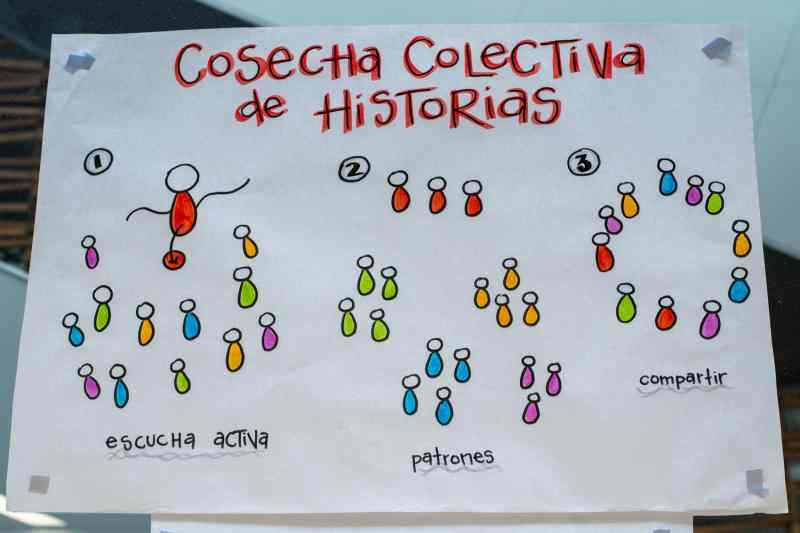
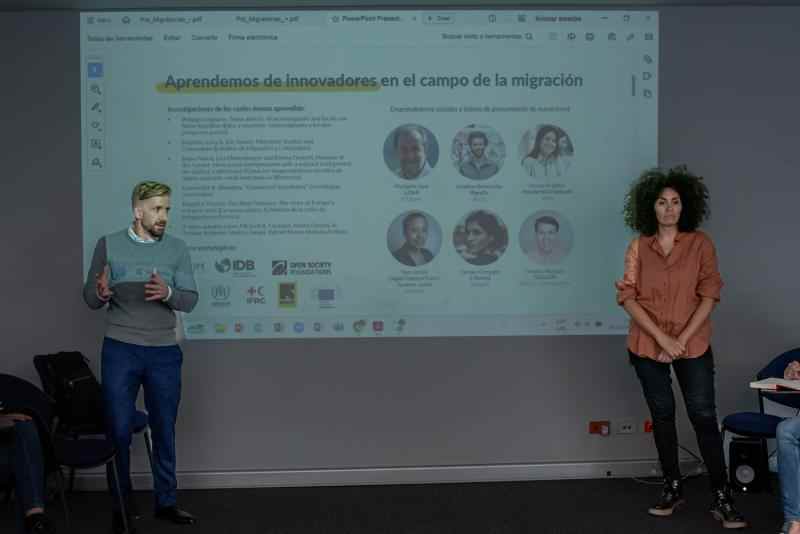
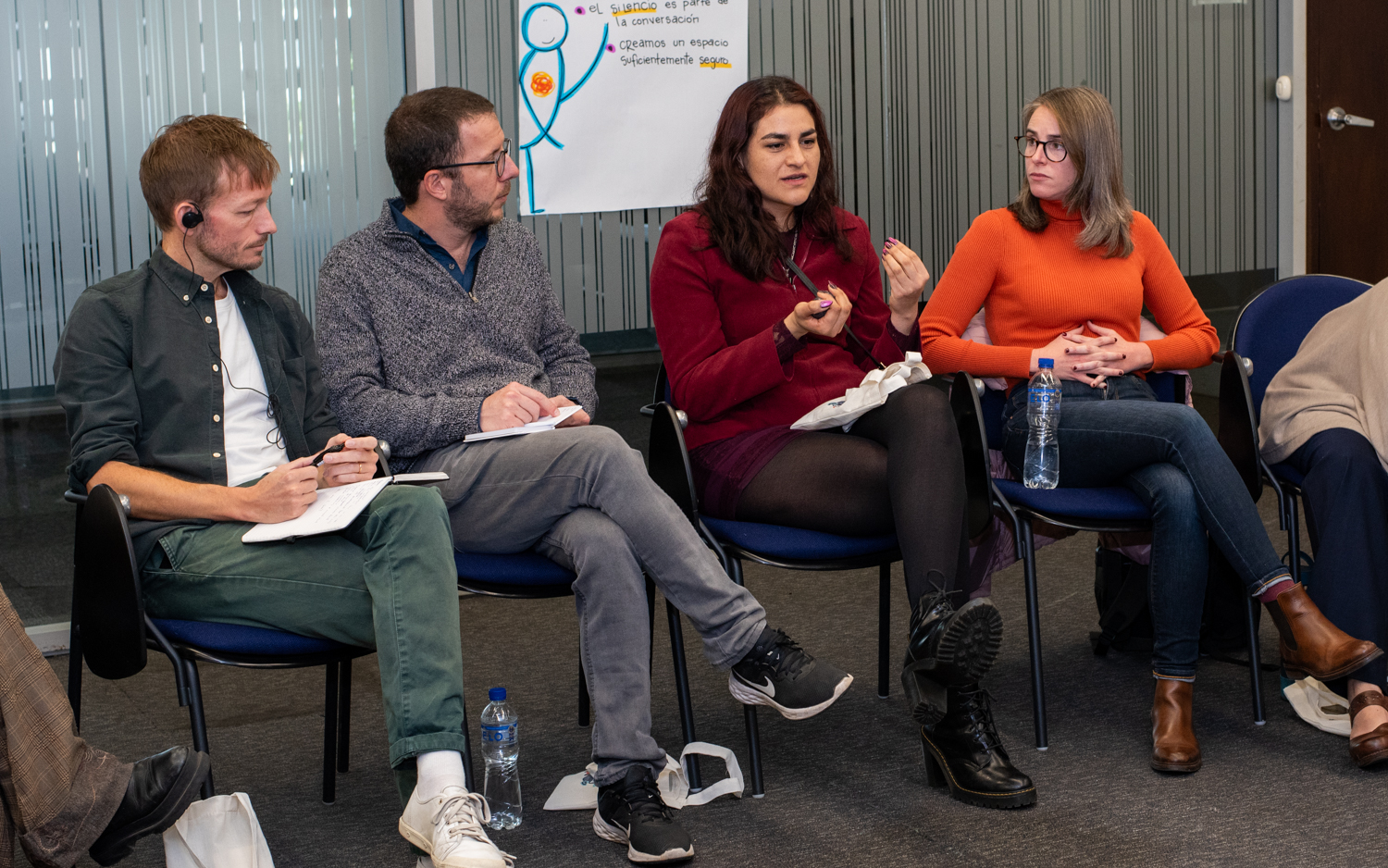
Taller de trabajo de Aceleradora Hola en su primera fase

In October, during three days in Bogotá, Colombia, we were able to talk about who we are. This led us to build relationships that weren’t based on “who can fund my next project” or “who can help me get a job,” but rather on getting to know each other’s life stories, names, desires, fears, and reflections—people living in Mexico, Costa Rica, Colombia, Argentina, or Chile, and also in Spain or Sweden. 

We got to know each other as people, not just by our roles. I believe this was fundamental to the process because it made the bond more sustainable. Migration is often approached from a place of doing or having. What degrees do newcomers have? What jobs can they do? How much do they “contribute” to society? But I ask: does someone “contribute” simply because they work? What about someone with a disability, or a retired person who wants to migrate? We’ve sidelined being, prioritizing only doing. 

From that foundation, we moved into thinking about the doing. What can we do to reduce inequalities? How can we innovate? We talked a lot, and the conversations opened up. But like the tree in Ashoka’s logo, the roots were solid—and it was time to blossom. It was a spring of abundant conversations and expanded perspectives. At times, we didn’t arrive at concrete answers and got a bit lost; but looking back, I don’t know any initiative that began with everything perfectly clear. It would’ve been strange if we’d landed on a concrete proposal too quickly. 

In the same way, intercultural coexistence requires many open conversations. It doesn’t mean having answers right away. In fact, if there’s no tension, it may mean we haven’t brought our full selves into the process. We have conflicts with friends and family—how could we not have them with strangers? We don’t arrive at an inclusive society overnight. We had to let the branches spread out, even when they blocked our view. But we needed to let the tree grow. In the language of this process, it’s systemic. It grows and sustains itself through a combination of factors—not just one branch, one leaf, or one root. 

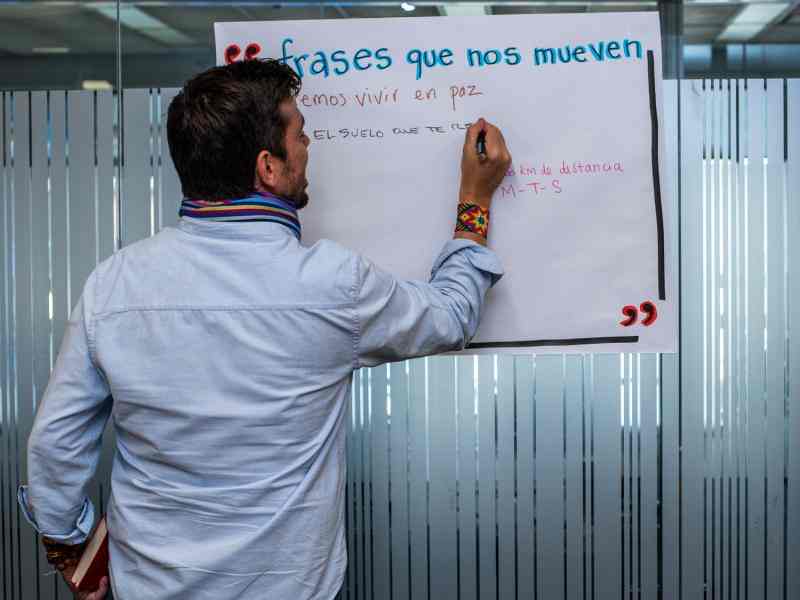
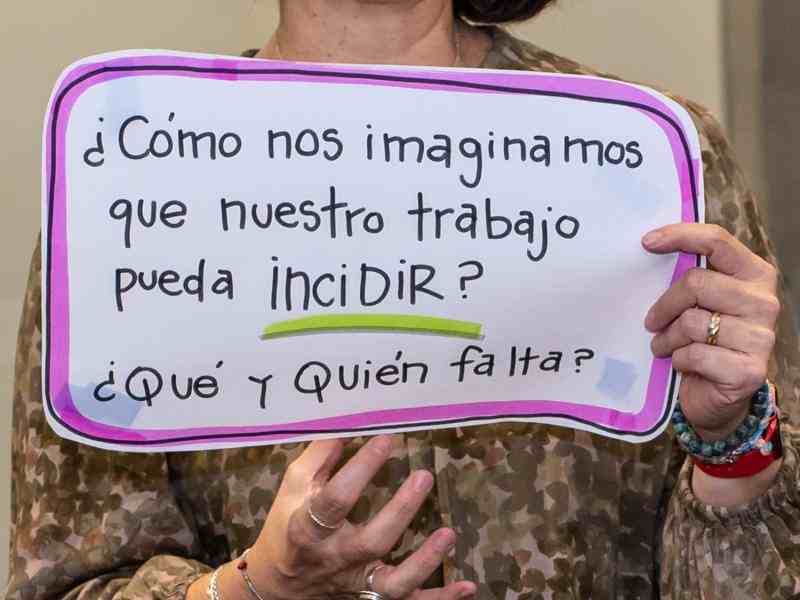
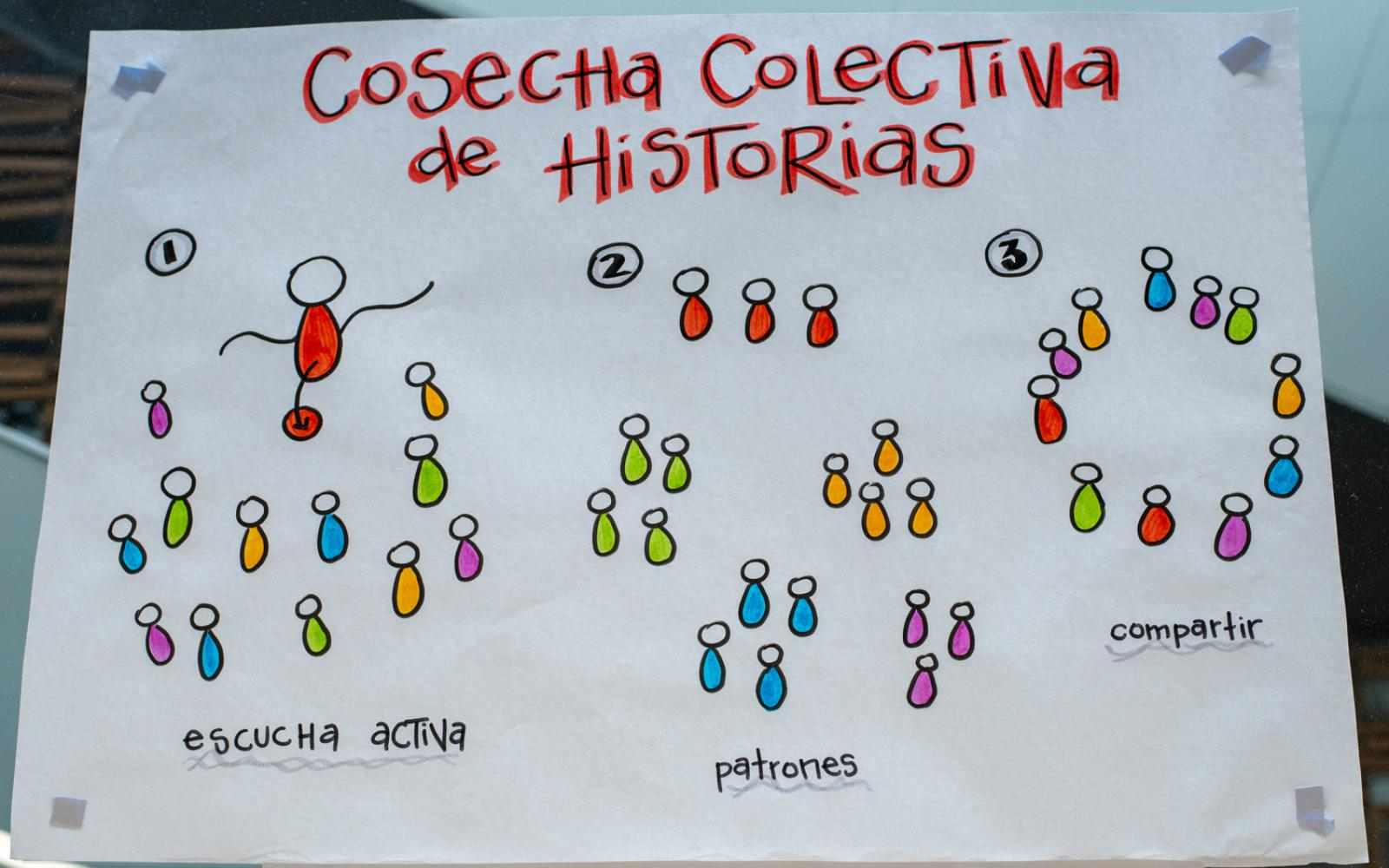
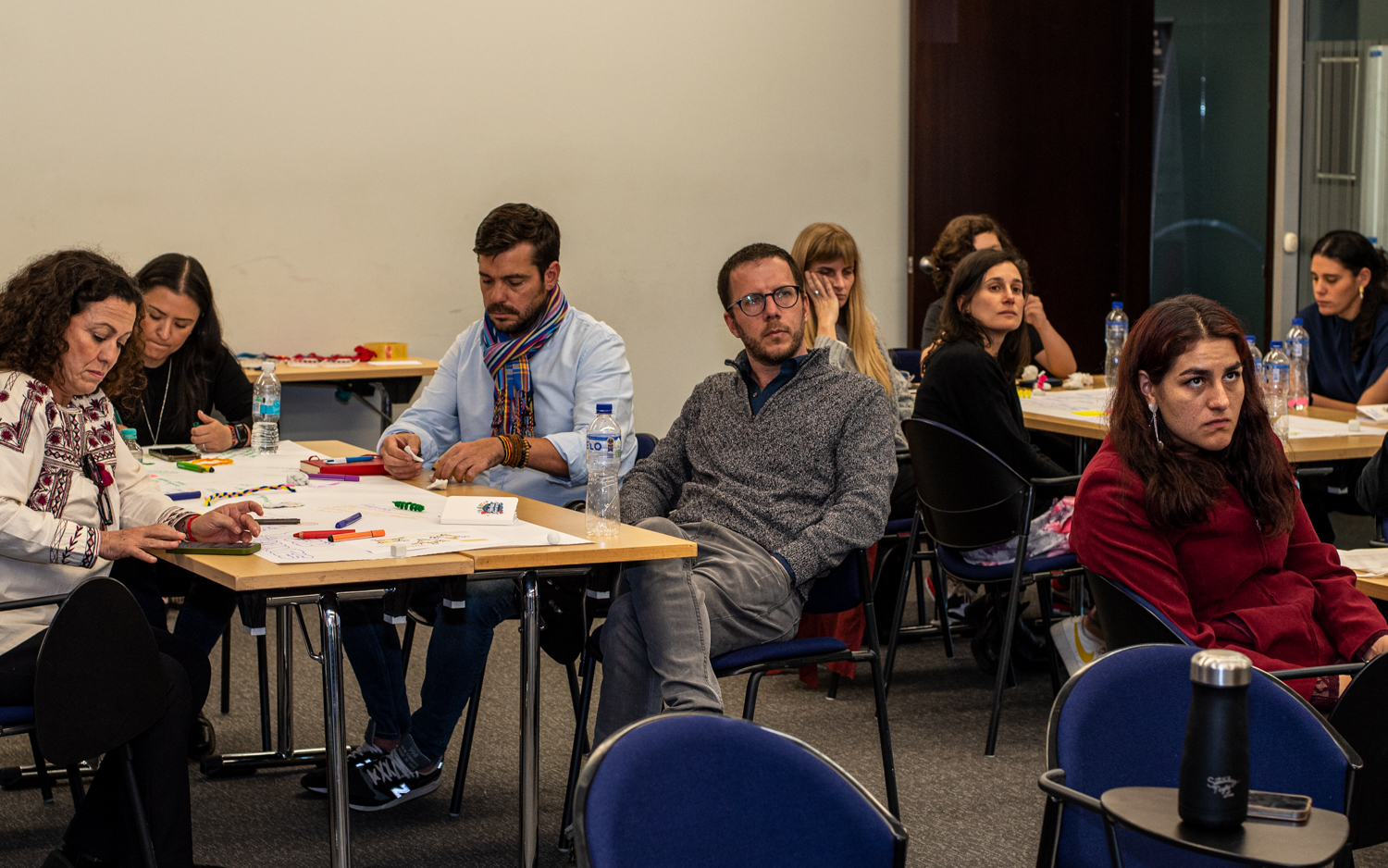
Debate durante la fase 1 de Aceleradora Hola

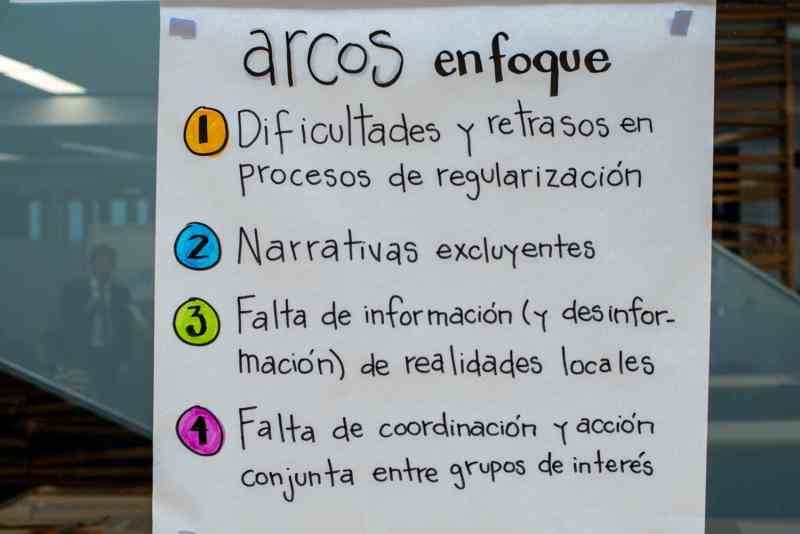
In December, it was time to prune that tree. In other words, we had to define a concrete problem. At first, I felt some concern and anxiety, because until that point, everything had been more diffuse and open than clear and defined. So we set ourselves the goal of ending the year with a clearly defined problem. That would be our Christmas gift... and we gave it to ourselves! Focusing was key. Among the many angles we could have taken in addressing human mobility, we had to choose one—what we wanted and were able to work on now. That led us to focus on unemployed migrant women living in situations of vulnerability. 

In the same vein, given the many angles of social coexistence, what would happen if we focused on just one? Politicians often center migration discourse on borders and security. It’s a necessary angle, but it gets amplified as if it’s the whole solution—yet data shows that shouting louder isn’t the answer. It’s systemic. Multiple actions are needed. The tensions happen in cities, but proposals focus almost exclusively on the border. Shouldn’t we be looking elsewhere? Are people causing the crisis—or are migration policies? 

Once the problem and focus were defined, we moved to solutions. To the doing. What can we do for unemployed women in vulnerable situations? Again, many conversations opened up—necessary ones. More than jumping straight into a solution, uncomfortable as it may be, these processes must lead us to new forms of confusion. Let the tree grow, then prune it—rather than trying to control how it grows. Can we even limit it? 

From there, we arrived at our destination: seven solution prototypes. It was a rigorous process that led us to select three, based on feasibility, urgency, need, and the team’s capabilities. We now have three ideas that we aim to develop, implement, and scale across Latin America. We ended with the “having”: we have something. We have three ideas that we aim to plan, develop, implement, and scale across Latin America. 

First, we are. Then, we act. Finally, we have. A process that began far from clarity, making room for conversation and tension, and ending with a feeling of pride in the path we’ve walked—and hope for what lies ahead. I’m grateful to Ashoka for giving me this perspective on the process, for sparking friendships through the work, and for nurturing the growth of a small seed into a tree that hopes to branch out, offer shade, and support an entire region.