WHAT ARE THE MAIN CHALLENGES FACED BY MIGRANT WOMEN IN THEIR HOST COUNTRIES?
ACCORDING TO DATA FROM THE INTERNATIONAL LABOR ORGANIZATION (ILO), IN RECENT YEARS, MORE THAN 50% OF PEOPLE WHO MIGRATE ARE WOMEN.
In Chile and Argentina, as in the rest of the world, these migratory flows were marked by the overrepresentation of women, a phenomenon not seen in previous eras.
In this sense, various authors have suggested that we should speak of a "feminization of migration" as a characteristic that should not be ignored when addressing this issue, especially given the inherent and historical challenges of being a woman. When these challenges intersect with migration status and the possibilities of accessing rights, they become an extremely crucial consideration.
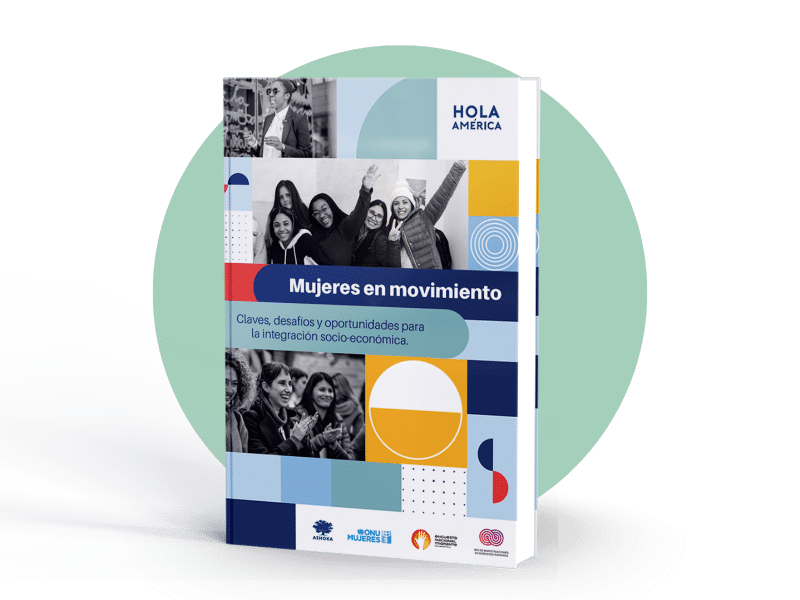
At Hola América, we have been active throughout the region for over four years, seeking to generate a new paradigm for migration. Within the context of the growing "feminization of migration," a process by which women's participation in migration across the region is increasing (estimated to be equal to or greater than that of men), we lack sufficient data on this group and their specific characteristics. This research provides a first step toward filling this gap. We invite you to read it.
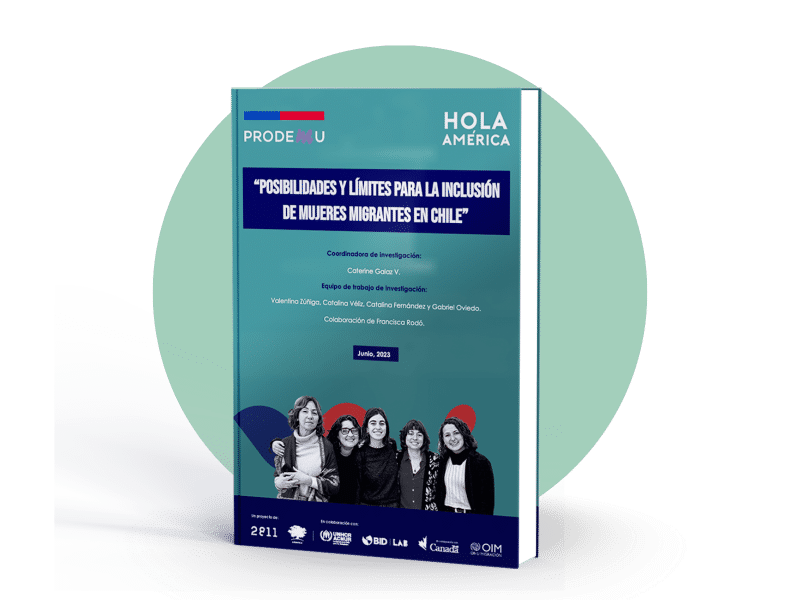
The objective of the reports was to offer a detailed diagnosis of the main challenges faced by migrant women in Argentina and Chile, by analyzing the most significant gaps in their inclusion in terms of access to rights. A special focus was placed on the labor dimension, understanding that this is where the main gaps and inequalities are most evident.